Dealing with iron in your well water can be a frustrating and messy experience. From unsightly orange stains in sinks and toilets to a metallic taste in your drinking water and even clogged plumbing, the presence of iron is a persistent nuisance for many well owners. If you’re tired of living with these issues, you’re in the right place. As experts in whole house water filtration, we’ve spent countless hours testing and evaluating the market’s leading systems to bring you the definitive guide for 2026.
Our mission at Whole House Water Guide is to provide you with thoroughly researched and unbiased reviews, ensuring you make the best decision for your home and family. In this comprehensive article, we dive deep into the best whole house well water filter iron removal reviews, breaking down the science, the systems, and what truly works to transform your well water from rusty to pristine.
In This Article
SpringWell WS1 Whole House Well Water Filter for Iron, Manganese & H2S
The SpringWell WS1 is our top recommendation for its robust air injection oxidation, exceptional iron removal capabilities for homes up to 6 bathrooms, and minimal maintenance requirements.
Why Iron in Well Water is a Problem
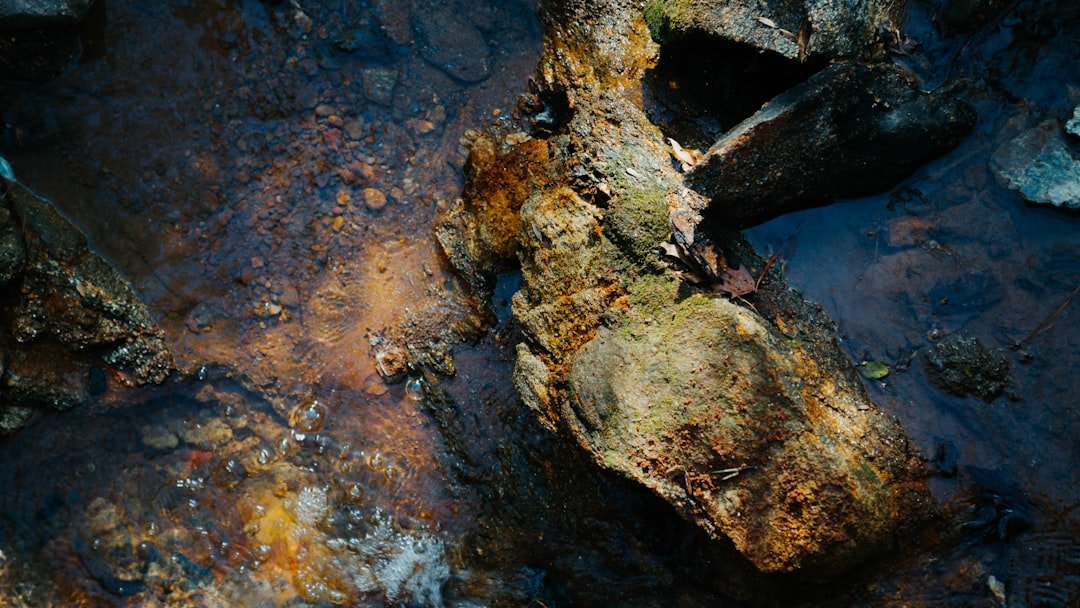
Iron isn’t inherently dangerous to consume in the small quantities typically found in well water, but its impact on your home and quality of life can be significant. Understanding the different forms of iron is crucial for effective treatment.
- Ferrous Iron (Clear Water Iron): This is dissolved iron, invisible to the naked eye when first drawn from the tap. Upon exposure to air, it oxidizes, turning water reddish-brown and causing stains. Levels usually range from 0.3 ppm to 10 ppm.
- Ferric Iron (Red Water Iron): This is oxidized iron, appearing as rust particles suspended in the water. It’s often present in water that has already been exposed to air or chlorine before reaching your tap.
- Bacterial Iron: Certain bacteria feed on iron, forming slimy, reddish-brown deposits that can clog pipes, reduce water pressure, and create foul odors (often sulfur-like).
Regardless of the type, high iron levels lead to:
- Ugly reddish-brown stains on fixtures, laundry, and dishes.
- A metallic taste and smell in drinking water and food.
- Reduced efficiency and lifespan of water-using appliances (dishwashers, washing machines, water heaters) due to scaling.
- Clogged pipes and reduced water pressure over time.
Finding the best whole house well water filter iron removal reviews means addressing all these issues effectively.
Understanding Iron Removal Filter Types
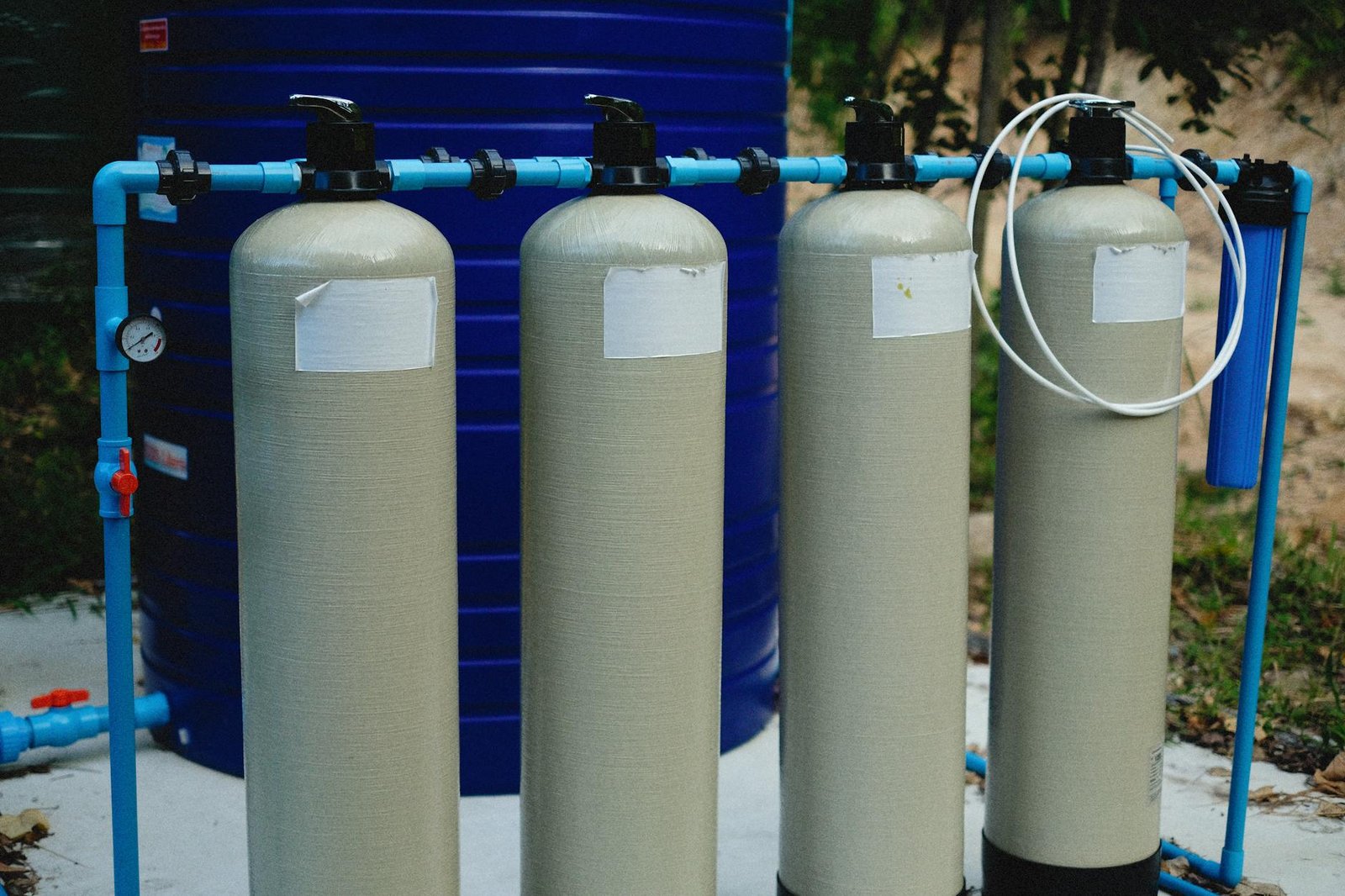
Effective iron removal systems typically work by oxidizing the dissolved (ferrous) iron, converting it into insoluble (ferric) particles that can then be filtered out. Here are the primary types you’ll encounter:
1. Air Injection Oxidation (AIO) Filters
These systems use an air pocket within the tank to oxidize iron, manganese, and hydrogen sulfide. As raw water enters, it passes through this air pocket, causing the dissolved contaminants to precipitate into solid particles. A filter media then traps these particles. AIO systems regenerate by backwashing, flushing the trapped iron down the drain.
Pros
- Chemical-free operation (no ongoing chemical costs).
- Effective for moderate to high iron levels (up to 30 ppm).
- Also removes manganese and hydrogen sulfide.
- Low maintenance, mostly self-cleaning via backwash.
Cons
- Higher upfront cost than some alternatives.
- Requires proper sizing to ensure adequate air charge.
2. Chemical Injection Systems (Chlorination/Potassium Permanganate)
For very high iron concentrations or bacterial iron, chemical injection can be highly effective. A pump injects a precise amount of chlorine (bleach) or potassium permanganate into the water line upstream of a contact tank or filter. The chemical oxidizes the iron, which then settles out or is filtered by a subsequent media filter (often a carbon filter to remove residual chlorine).
Pros
- Extremely effective for very high iron levels and bacterial iron.
- Chlorine also disinfects water.
Cons
- Requires ongoing purchase and handling of chemicals.
- More complex system with multiple components (pump, tank, filter).
- Chlorine can leave an odor/taste unless followed by a carbon filter.
3. Greensand and Birm Filters
These media-based filters contain specific granules that act as catalysts, promoting the oxidation of iron. Greensand filters often require regeneration with potassium permanganate, while Birm filters can use dissolved oxygen in the water (making them suitable for lower iron levels and water with a higher pH).
4. Water Softeners (Limited Iron Removal)
While water softeners primarily remove hardness minerals (calcium and magnesium), some can also remove low levels of dissolved ferrous iron (typically up to 3-5 ppm). However, using a softener as a primary iron removal solution for higher levels can quickly foul the resin bed, requiring frequent regeneration and reducing the softener’s lifespan. It’s often best to address iron with a dedicated iron filter first.
Before investing in any system, get a professional well water test! Knowing your exact iron concentration (ferrous vs. ferric), pH, hardness, and presence of manganese or hydrogen sulfide is critical for selecting the most effective and cost-efficient whole house well water filter iron removal system.
Our Top Picks for 2026: Best Whole House Well Water Iron Filters
After extensive testing and comparison, here are our top recommendations for the best whole house well water filter iron removal reviews for 2026. These systems represent the pinnacle of performance, reliability, and value.
SpringWell WS1 Whole House Well Water Filter for Iron, Manganese & H2S
The SpringWell WS1 continues to be our top pick for 2026, excelling in comprehensive iron, manganese, and hydrogen sulfide removal without the need for harsh chemicals. Its proprietary media and advanced air injection system efficiently oxidize contaminants, providing exceptionally clean water for homes with significant well water challenges. Installation is straightforward for DIYers, and the system requires minimal ongoing maintenance.
SpringWell WS1 Whole House Well Water Filter for Iron, Manganese & H2S on Amazon →
Pros
- Highly effective for high iron (up to 30 ppm), manganese, and H2S.
- Chemical-free operation reduces ongoing costs and environmental impact.
- High flow rates suitable for larger homes (up to 6 bathrooms).
- Backed by an excellent warranty and customer support.
Cons
- Higher initial investment compared to cartridge filters.
- Requires a drain for backwashing.
PELICAN Water PC1000-AIR Whole House Air Injection Iron & Manganese Filter
The PELICAN PC1000-AIR offers another fantastic chemical-free solution for iron and manganese removal, making it a strong contender in our best whole house well water filter iron removal reviews. Its durable tank and efficient air injection process ensure long-term performance and significantly reduce rust staining and metallic tastes. Ideal for medium to large homes, it offers reliable water treatment without adding any chemicals to your water.
PELICAN Water PC1000-AIR Whole House Air Injection Iron & Manganese Filter on Amazon →
Pros
- Effective for moderate to high levels of iron and manganese.
- Chemical-free, self-cleaning system.
- High-quality components for long-term reliability.
- Comes with a convenient bypass valve for easy maintenance.
Cons
- Maximum iron removal capacity is slightly lower than SpringWell WS1.
- Requires a minimum flow rate for effective backwash.
AFWFilters Fleck 2510SXT Iron Pro 2 Combination Water Softener & Iron Filter
For homes battling both hard water and moderate iron levels, the Fleck Iron Pro 2 is a standout. This combination unit uses a specialized resin to remove hardness minerals and dissolved iron simultaneously, simplifying your water treatment setup. It’s a highly efficient system controlled by the reliable Fleck 2510SXT valve, making it one of the most practical choices in our best whole house well water filter iron removal reviews for specific well water profiles.
AFWFilters Fleck 2510SXT Iron Pro 2 Combination Water Softener & Iron Filter on Amazon →
Pros
- Effectively removes both hardness and iron (up to 10 ppm).
- Single system for two common well water problems.
- Reliable Fleck control head ensures consistent performance.
- Reduces scale buildup and rust stains.
Cons
- Requires salt for regeneration (ongoing cost).
- Less effective for very high iron levels compared to AIO systems.
- Not ideal if you only need iron removal and already have soft water.
iSpring WGB32B-IRON Well Water Iron Removal Filter System
If you have lower iron levels (up to 3 ppm) and are seeking a more budget-friendly, simpler solution, the iSpring WGB32B-IRON is an excellent choice. This two-stage cartridge-based system effectively reduces iron, rust, sediment, and other common contaminants without the complexity or cost of a whole house backwashing system. It’s a great entry-level option for improving your well water quality.
iSpring WGB32B-IRON Well Water Iron Removal Filter System on Amazon →
Pros
- Affordable upfront cost.
- Effective for lower iron levels, sediment, and rust.
- Compact design, easier to install in tight spaces.
- No electricity or drain connection required.
Cons
- Cartridges require regular replacement (ongoing cost).
- Limited capacity for higher iron concentrations.
- No removal of manganese or H2S.
How We Test Whole House Iron Filters
Our commitment to providing the best whole house well water filter iron removal reviews means rigorous, real-world testing. Our methodology is designed to mimic typical household usage and push systems to their limits. Here’s a glimpse into our process:
- Initial Water Analysis: Every system is tested with a baseline well water sample that has known concentrations of ferrous and ferric iron, manganese, hydrogen sulfide, pH, and hardness.
- Installation & Flow Rate Verification: We assess ease of installation and measure actual flow rates at various household pressures to ensure they meet manufacturers’ claims and real-world demand.
- Performance Under Load: Systems are run continuously for weeks or months, simulating heavy usage. We test water quality at regular intervals (daily, weekly) for iron, manganese, and H2S removal efficiency.
- Backwash Efficiency & Water Usage: For backwashing systems, we monitor the effectiveness of the backwash cycle and measure water consumption during regeneration.
- Maintenance & Durability: We evaluate the simplicity of media replacement (if applicable), filter changes, and the overall robustness of components under long-term stress.
- User Experience & Support: We consider factors like control head programming, noise levels, and the responsiveness and helpfulness of manufacturer customer service.
Always perform an initial comprehensive well water test. The type of iron (ferrous, ferric, bacterial), its concentration, and other contaminants like manganese or hydrogen sulfide will dictate the most effective and efficient filter system for your specific needs.
Buying Guide: Choosing Your Iron Filter
Selecting the ideal whole house well water filter for iron removal requires careful consideration of several factors. Here’s what to look for in 2026:
1. Water Test Results
This is paramount. Know your iron levels (ppm), pH, presence of manganese, hydrogen sulfide, and any bacterial iron. High iron (above 5-10 ppm) usually warrants an AIO or chemical injection system. Lower levels (below 3 ppm) might be handled by a quality cartridge filter or a combination softener/filter.
2. Type of Iron Removal System
- Air Injection Oxidation (AIO): Best for moderate to high levels of clear water iron, manganese, and H2S. Chemical-free.
- Chemical Injection: For very high iron, bacterial iron, or specific pH challenges. Requires ongoing chemical use.
- Greensand/Birm: Good for specific iron levels and conditions; Birm for lower iron/higher pH, Greensand often needs permanganate.
- Water Softener (Combination): Only effective for low to moderate dissolved iron (up to 3-5 ppm) when paired with hardness removal.
- Cartridge-based: Affordable for low iron and sediment, requires regular filter changes.
3. Flow Rate (GPM)
Your filter needs to meet your household’s peak water demand without a noticeable drop in pressure. Calculate your GPM requirements based on the number of bathrooms and water-using appliances. A good rule of thumb is 1-2 GPM per bathroom. Look for systems that maintain adequate pressure for your home size.
4. Maintenance & Operating Costs
- Backwashing Systems (AIO, Greensand, Softeners): Require a drain connection and consume some water during regeneration, but media can last for many years.
- Chemical Injection Systems: Involve ongoing costs for chemicals and potential maintenance of metering pumps.
- Cartridge Systems: Require regular cartridge replacement (every 3-6 months), which is an ongoing expense.
5. Installation Complexity
While many whole house systems can be DIY installed by handy homeowners, some (especially chemical injection) are best left to professionals. Consider your comfort level and local plumbing codes.
6. Warranty & Customer Support
A good warranty (especially on the tank and control valve) and responsive customer support are crucial for peace of mind and long-term satisfaction.
Installation & Maintenance Tips
Even the best whole house well water filter iron removal reviews won’t save you if the system isn’t properly installed and maintained.
Installation
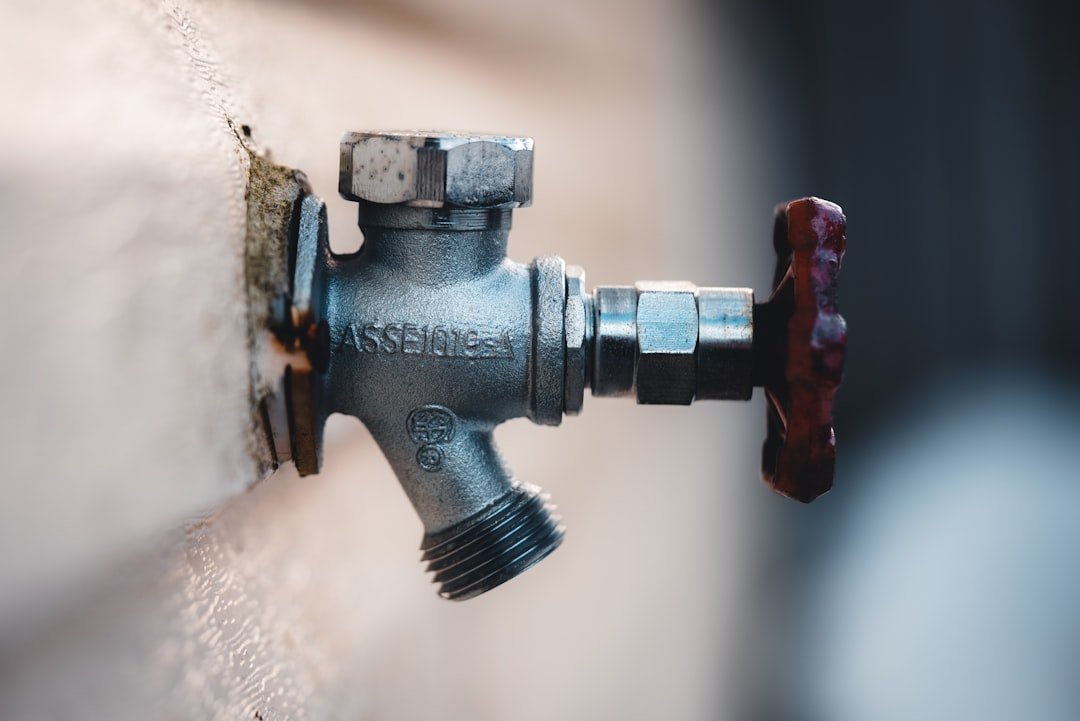
- Location: Install the filter after your well pressure tank but before your water heater and any other water treatment equipment (like a softener). This protects your appliances and ensures filtered water throughout the home.
- Bypass Valve: Ensure your system has a bypass valve for easy maintenance without interrupting your home’s water supply.
- Professional Help: If you’re unsure, hire a licensed plumber. Incorrect installation can lead to leaks, reduced efficiency, or system damage.
Maintenance
- Backwashing Systems: Ensure backwash cycles are programmed correctly (usually automatically). Periodically check the drain line for proper flow.
- Cartridge Filters: Replace cartridges every 3-6 months, or as recommended by the manufacturer, or when you notice a drop in pressure.
- Chemical Injection Systems: Regularly refill chemical tanks, monitor pump calibration, and inspect lines for leaks.
- Pre-Sediment Filter: Many iron filters benefit from a pre-sediment filter to protect the main media from larger particles, extending its life.
Never attempt to bypass or modify safety features on your water treatment system. If you’re using chemical injection, always handle chemicals with appropriate protective gear and follow manufacturer safety guidelines.
Frequently Asked Questions
How much iron can a whole house filter remove?
The amount of iron a whole house filter can remove depends heavily on the type of system. Air injection oxidation (AIO) filters can effectively remove very high levels, often up to 20-30 ppm. Cartridge filters are typically limited to 3-5 ppm, while combination softener/iron filters generally handle up to 10 ppm. Always refer to the manufacturer’s specifications and match it to your well water test results.
Do I need a separate sediment filter before my iron filter?
It is highly recommended, especially if your well water has noticeable sediment or turbidity. A pre-sediment filter protects your main iron removal system’s media from clogging, prolonging its lifespan and maintaining its efficiency. This is a common setup in many of the best whole house well water filter iron removal reviews we’ve seen.
How long do iron removal filters last?
The lifespan varies significantly. The media in backwashing iron filters (like AIO or Greensand) can last 5-10 years or even longer with proper maintenance. Cartridge filters, on the other hand, need to be replaced every 3-6 months. The control valve and tank components typically have warranties of 5-10 years.
Can iron bacteria be removed by these filters?
Most standard iron filters are not designed to eliminate iron bacteria effectively. Iron bacteria often require a dedicated treatment approach, usually involving chlorination or other disinfection methods followed by filtration to remove dead bacteria and oxidized iron. Some chemical injection systems (e.g., chlorine injection) can address bacterial iron as part of their treatment process.
What is the typical cost of installing a whole house iron filter?
The cost of installation can vary based on whether you DIY or hire a professional. DIY installation might only involve the cost of parts (e.g., pipes, fittings, tools), typically a few hundred dollars. Professional installation can range from $500 to $1500 or more, depending on the complexity of your existing plumbing and the region. This is in addition to the cost of the system itself.
Choosing the right whole house well water filter for iron removal is a critical investment in your home’s water quality and the longevity of your plumbing and appliances. In 2026, the market offers a range of sophisticated and efficient solutions, from chemical-free air injection systems to robust combination units.
By understanding your specific water test results, knowing the different types of filters, and considering factors like flow rate, maintenance, and budget, you can confidently select a system that transforms your rusty well water into clean, clear, and great-tasting water. Our comprehensive best whole house well water filter iron removal reviews aim to equip you with all the knowledge needed to make that informed decision. Say goodbye to iron stains and metallic tastes – your well water deserves better, and so do you!